Global Human Rights Centre

Research at the Global Human Rights Centre

At the Global Human Rights Centre (GHRC), research is the foundation of our mission to advance justice, equity, and accountability in an increasingly complex global landscape. Our work is distinguished by its integration of rigorous academic inquiry, policy-oriented analysis, and direct engagement with international human rights mechanisms, particularly within the United Nations system. Through interdisciplinary research and evidence-based advocacy, GHRC contributes to shaping global norms, informing policy debates, and advancing practical solutions to some of the most pressing human rights challenges of our time.

Central to our research approach is a commitment to translational impact—bridging the gap between knowledge production and real-world change. Our research outputs are not confined to academic discourse; they are actively deployed to influence international policymaking, multilateral dialogue, and institutional reform. This is most clearly reflected in our extensive contributions to United Nations calls for input, thematic reports, and global consultations, where GHRC provides expert analysis grounded in human rights law, sustainability, and inclusive development. 


Leadership in United Nations Written Submissions

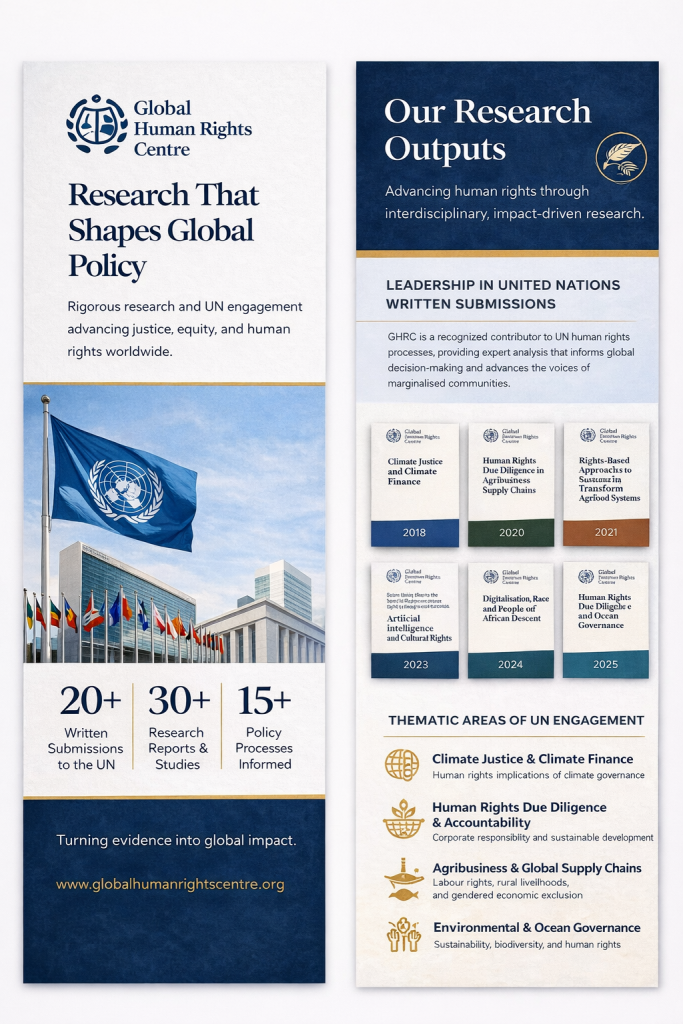
GHRC has established itself as a recognised contributor to UN human rights processes, submitting high-level written inputs to Special Procedures, Working Groups, and global policy consultations. These submissions form a core pillar of our research output, ensuring that grassroots realities, interdisciplinary evidence, and rights-based frameworks inform international decision-making.

Our UN written inputs span a wide range of thematic areas, including:

  • Climate justice and climate finance, addressing the human rights implications of global climate governance and equitable resource distribution
  • Agribusiness and global supply chains, with a focus on labour rights, rural livelihoods, and gendered economic exclusion
  • Artificial intelligence and emerging technologies, particularly their impact on the economic, social, and cultural rights of marginalised communities
  • Human rights due diligence, advancing accountability frameworks for corporations and states
  • The rights of people of African descent, including digitalisation, systemic inequality, and structural discrimination
  • Ocean governance and environmental rights, linking ecological sustainability with human dignity and intergenerational justice

These contributions align with and support the broader UN system of evidence gathering, where civil society inputs play a critical role in shaping reports presented to the Human Rights Council and other bodies  . Through this process, GHRC ensures that policy recommendations are informed by lived experiences, intersectional analysis, and context-specific expertise.

Interdisciplinary and Thematic Research Outputs

Beyond UN submissions, GHRC produces a diverse portfolio of research outputs that reflect the Centre’s interdisciplinary scope and global engagement. These include:

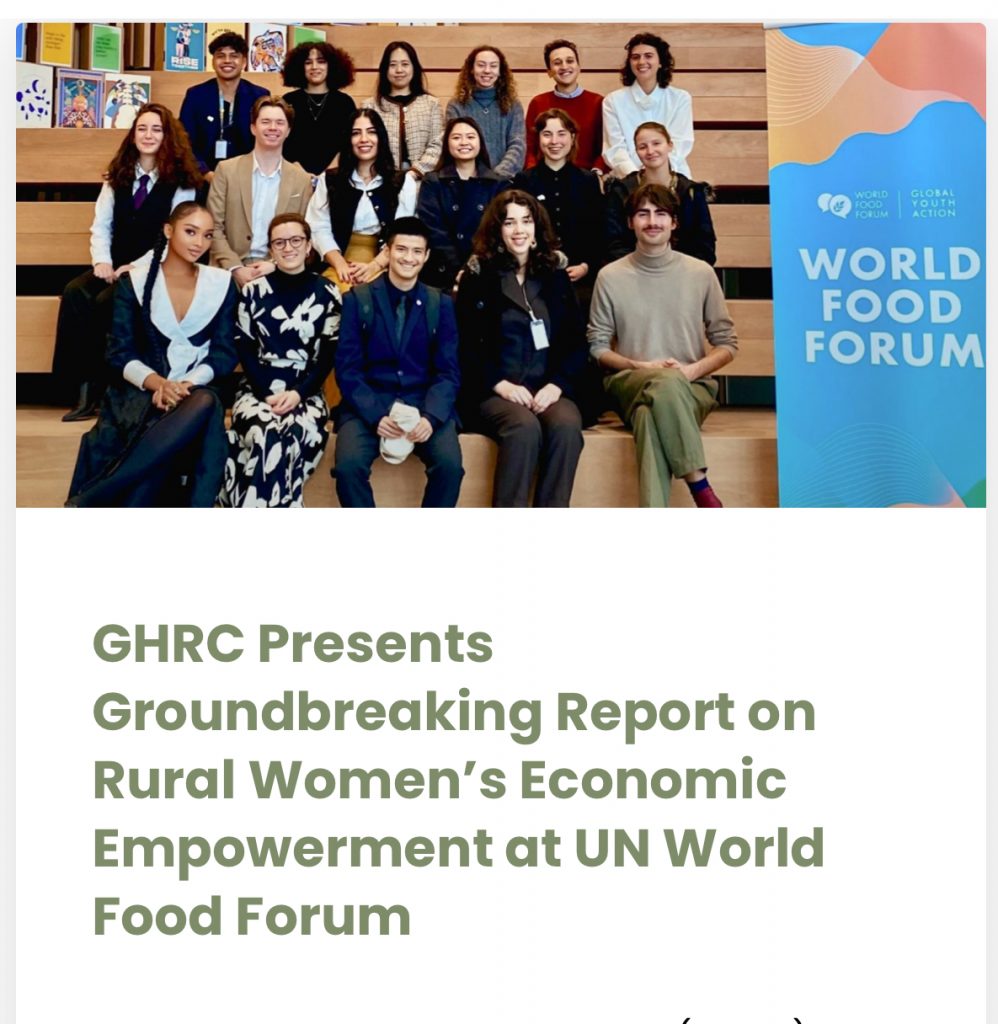
  • Policy reports and thematic studies on issues such as rural women’s economic empowerment, human rights in agrifood systems, and sustainable development
  • Analytical frameworks for integrating human rights into emerging sectors, including artificial intelligence and fashion education
  • Conceptual and applied research on human rights due diligence, environmental governance, and inclusive economic systems
  • Advocacy-oriented publications that translate complex legal and policy issues into actionable recommendations for governments, institutions, and practitioners

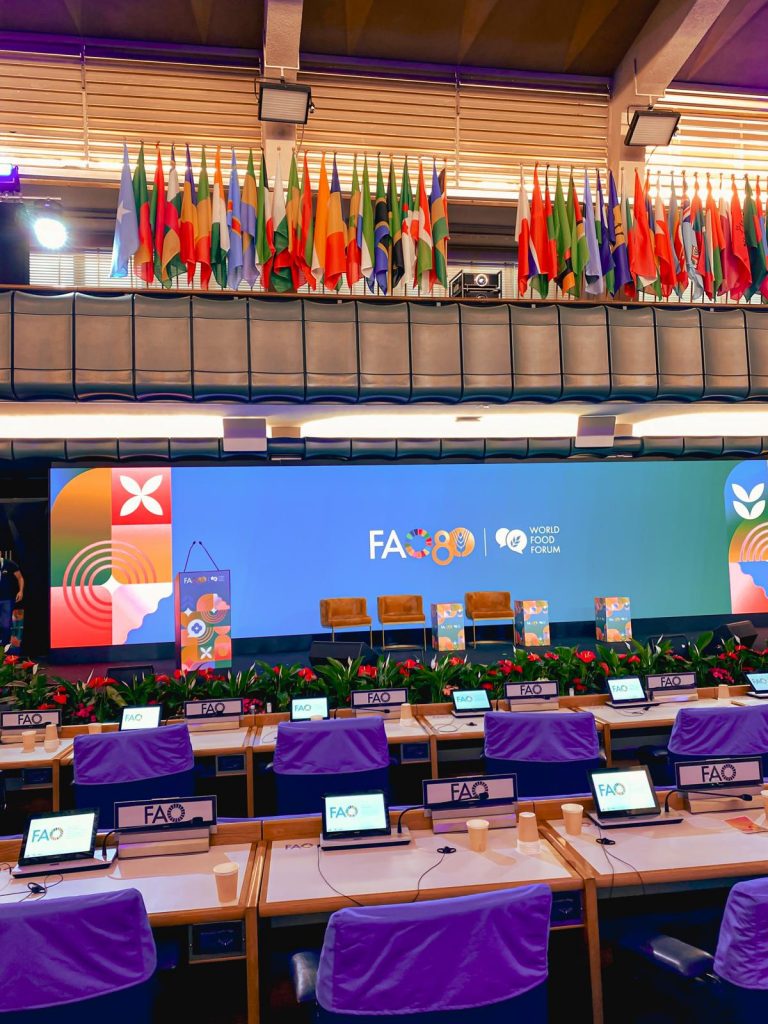
Recent outputs have contributed to global discussions at major international platforms, including the UN Forum on Business and Human Rights, the World Food Forum, and the Commission on the Status of Women, reinforcing GHRC’s role as a bridge between research, advocacy, and policy influence.

A Human Rights-Based and Impact-Driven Methodology

GHRC’s research is grounded in a human rights-based approach, ensuring that all work is guided by the principles of participation, accountability, non-discrimination, transparency, and empowerment. Our methodology prioritises:

  • Evidence-based analysis, combining qualitative and quantitative data
  • Participatory research, incorporating voices from affected communities, particularly women, informal workers, and marginalised groups
  • Interdisciplinary collaboration, drawing from law, development studies, political economy, and environmental science
  • Policy relevance, ensuring that all outputs are actionable and aligned with international legal frameworks and global development agendas

This approach enables GHRC to generate research that is not only analytically robust but also strategically positioned to drive systemic change.

From Knowledge to Global Impact

Through its research, GHRC contributes to a broader ecosystem of global governance, where knowledge plays a critical role in shaping norms, influencing institutions, and advancing accountability. By engaging directly with UN mechanisms and international stakeholders, the Centre ensures that its work contributes to the development of global standards and the realisation of human rights in practice.

Ultimately, GHRC’s research agenda is driven by a clear vision:

To produce transformative knowledge that advances justice, centres marginalised voices, and supports the creation of equitable and sustainable societies worldwide.

The Ocean And Human Rights

Advancing Ocean Conservation

Artificial Intelligence and the Economic, Social, and Cultural rights of persons of African Descent

Human Rights Due Diligence

Integrating Human Rights in Fashion Education

Global Human Rights Centre Written Input for The Working Group of Experts on People of African Descent

Towards a Multistakeholder Approach for the Implementation of Human Rights Due Diligence for Responsible Artificial Intelligence in African Contexts

UN Human Rights Defender
GHRC CRWRP Brochure

UN Input on Climate Finance
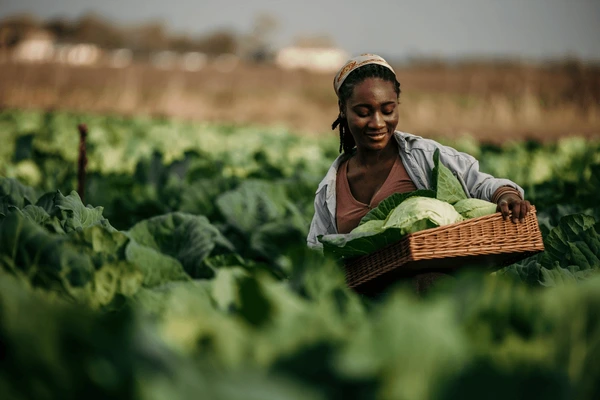
UN Written Input - Transforming Food Systems A Rural Women's Prospective

UN Written Input to on Transforming Food Systems to Protect Human Rights and Prevent Climate Harm: A Rural Women Centred Perspective

Journal of Sustainability: Gendered Food Insecurity - Achieving SDG 2 for Climate Affected Women in Rural Economies

UN Written Input on Peasants on the Rights to Seeds

UN Agri Business Written Input

Join the cause.

Subscribe to our newsletter.

Lorem ipsum dolor sit amet, consectetur adipiscing elit. Ut elit tellus, luctus nec ullamcorper mattis, pulvinar dapibus leo.