Concept Note
Background
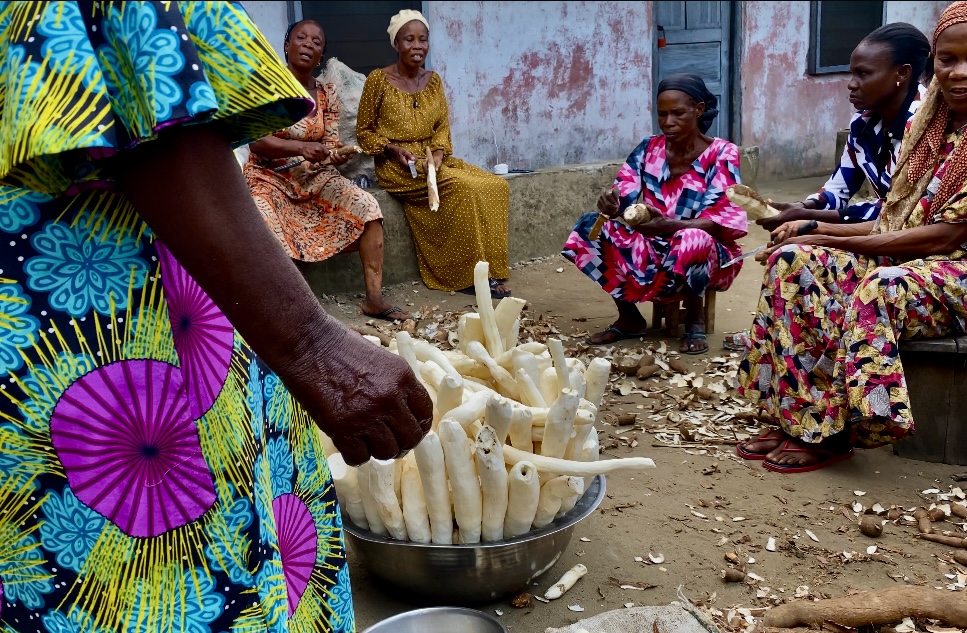
Cassava is one of the most widely cultivated staple crops across Africa and plays a critical role in rural food security, livelihoods, and local economies. Rural women are central to the cassava value chain, participating in cultivation, harvesting, processing, and the production of cassava-based products such as gari. Their labour sustains households and communities and contributes significantly to local food markets.
Despite their essential role, women working within the cassava economy often remain economically marginalised. Many operate with limited access to financial resources, formal banking systems, mechanised farming tools, and fair market opportunities. Their labour is frequently informal, under-recognised, and under-supported.
The Inclusive Cassava Value Chains for Rural Women initiative under the Chisomejé Rural Women Rising Project (CRWRP) seeks to address these gaps by supporting rural women engaged in cassava farming and processing while documenting their contributions across the cassava value chain. The initiative will also generate visibility and evidence to support future programmes focused on strengthening rural women’s participation in agrifood systems.
Project Goal
To strengthen the economic participation and resilience of rural women involved in the cassava value chain while promoting inclusive and sustainable rural agrifood systems.
Objectives
- Provide targeted seed financial assistance to rural women engaged in cassava production and processing.
- Document the cassava value chain from farm cultivation to processing and final product.
- Amplify the visibility of rural women’s labour within local food economies.
- Build a community database of women farmers for future CRWRP support programmes focused on rural livelihoods and mechanised farming.
Key Activities
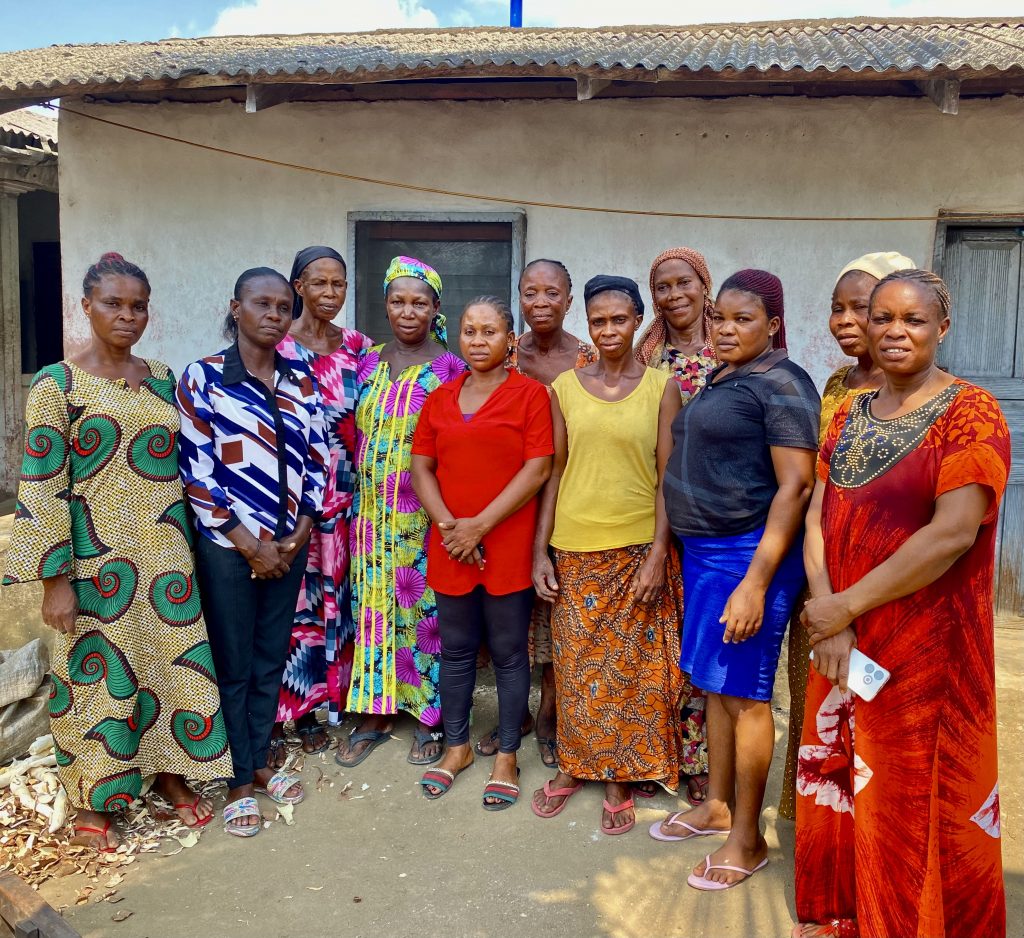
- Community field engagement with rural women involved in cassava production and gari processing.
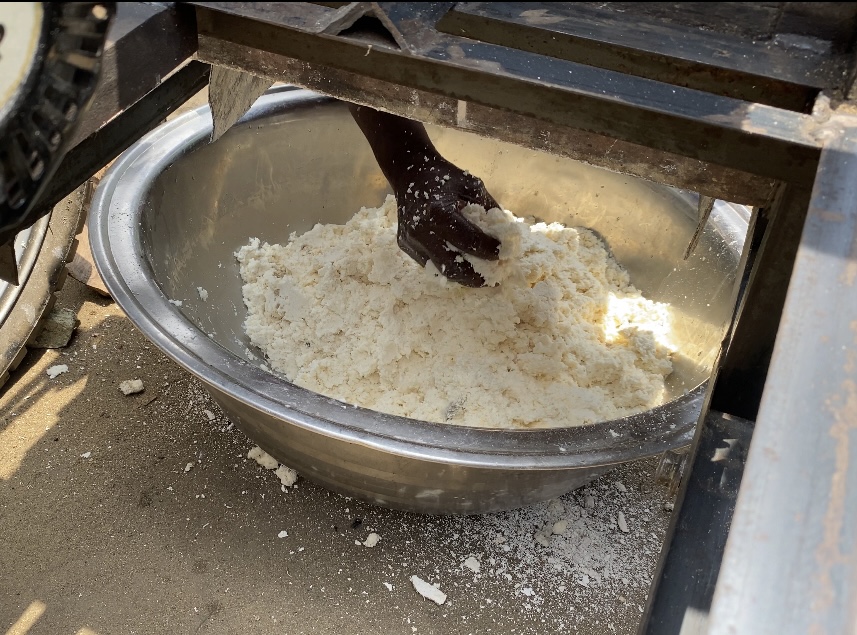
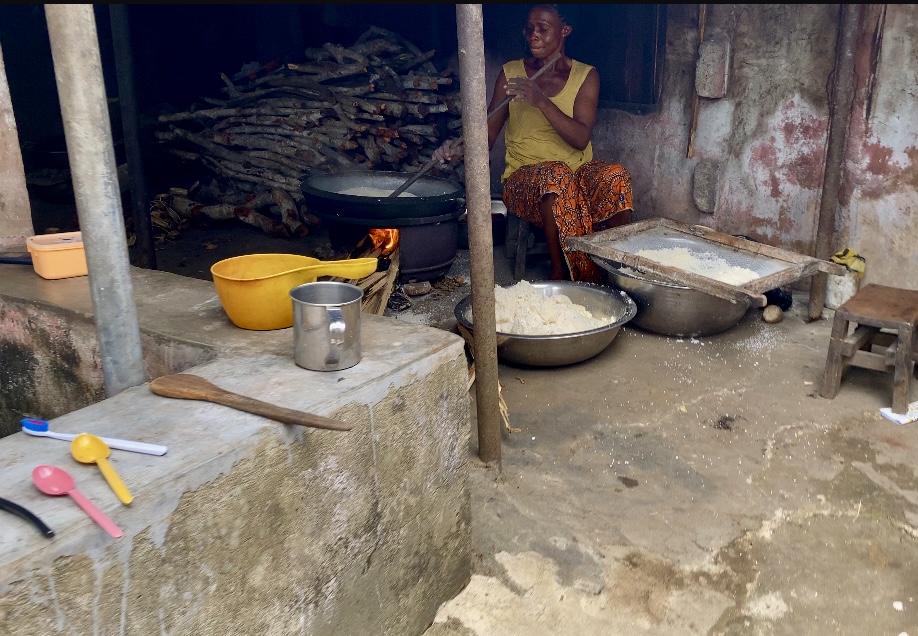
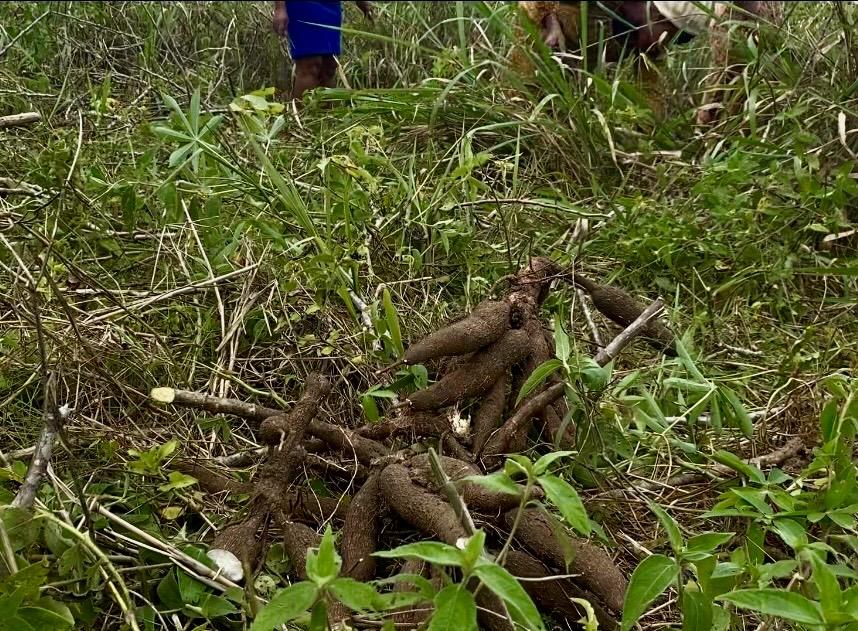
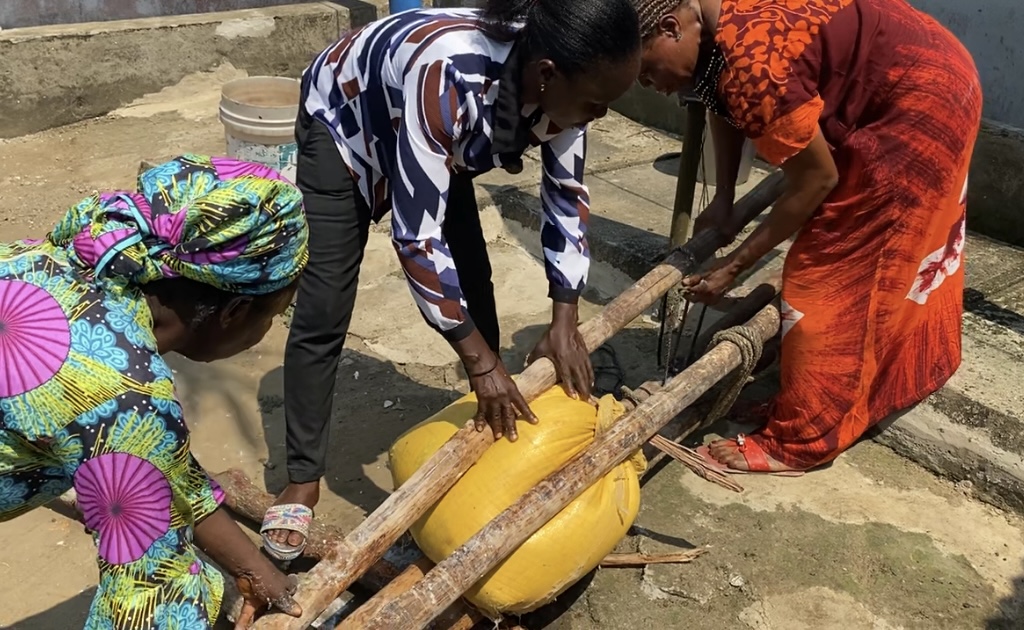
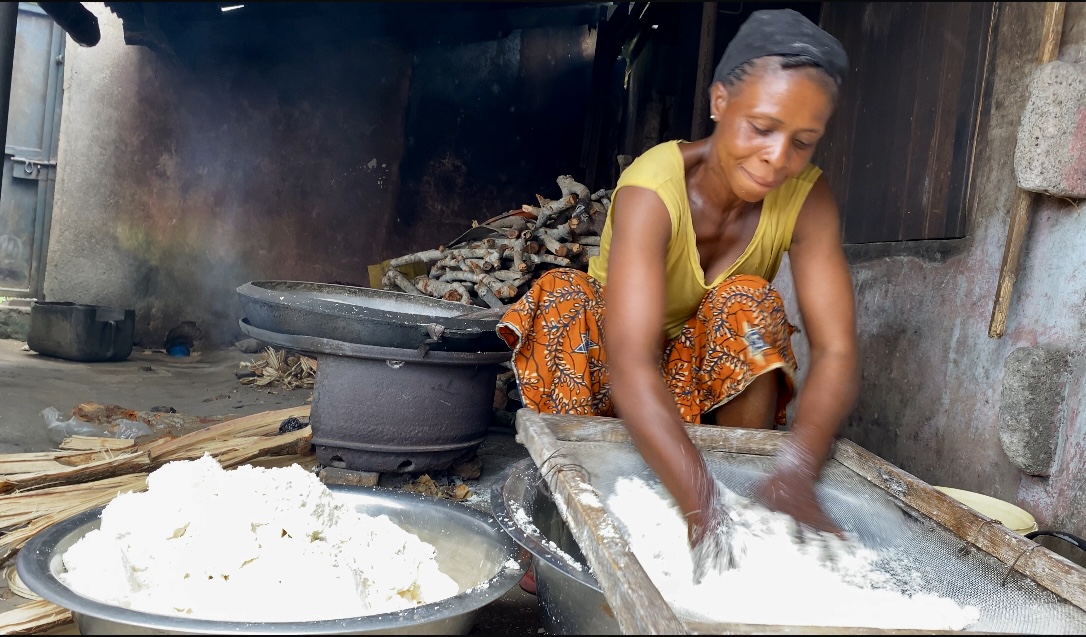
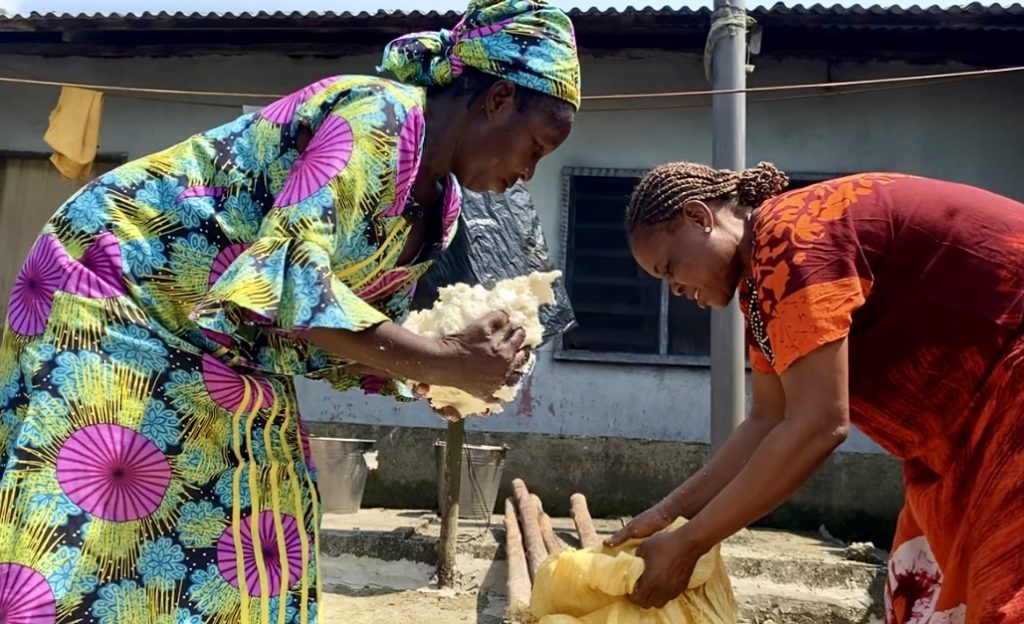
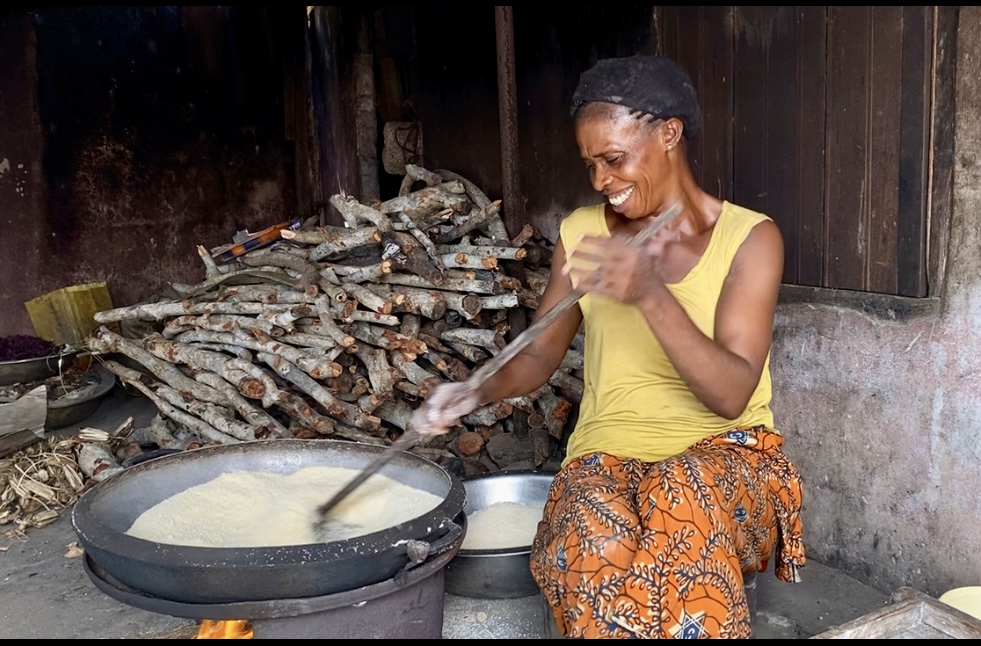
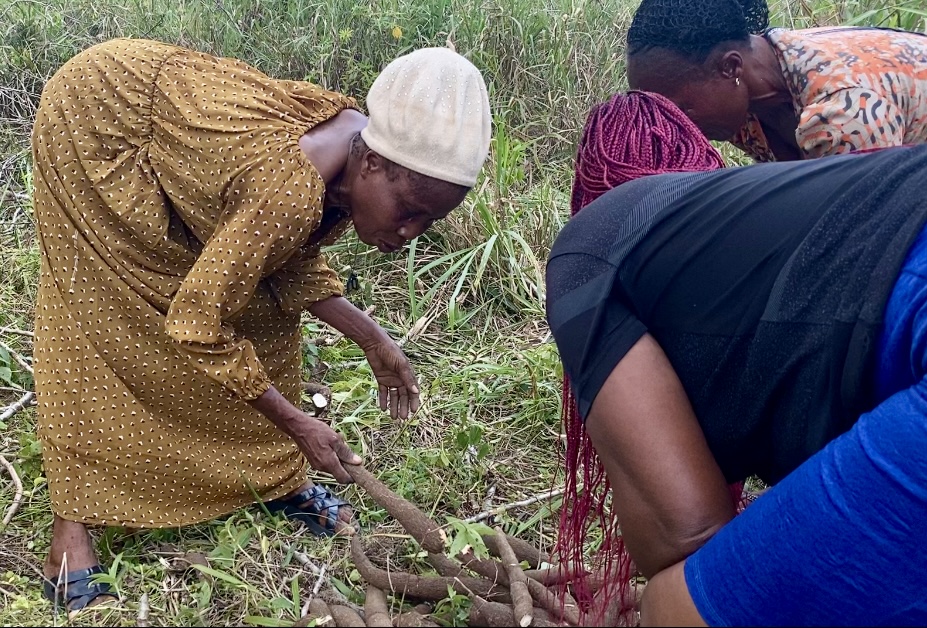
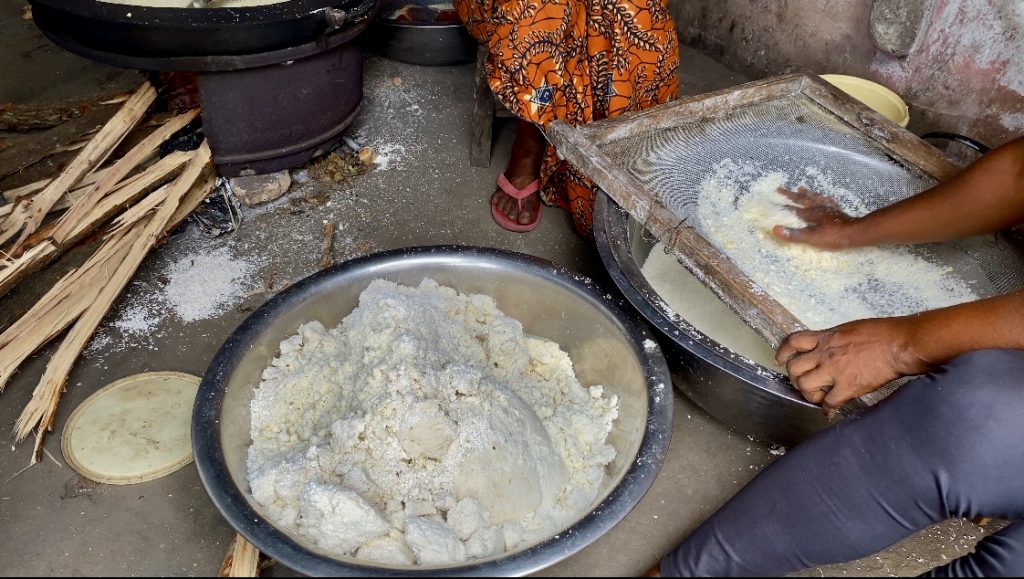
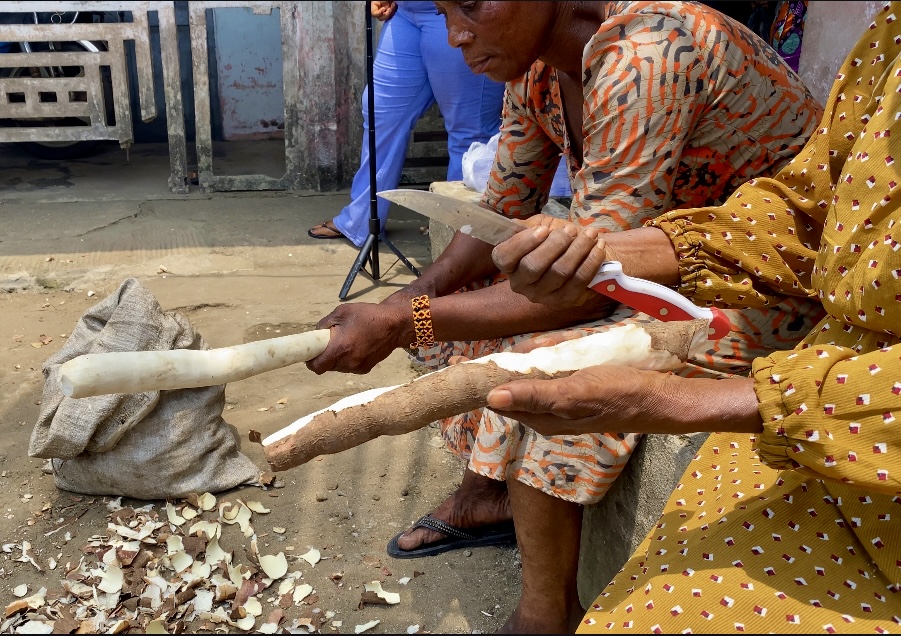
- Guided documentation of the cassava value chain, including farms, washing and drying centres, processing units, and frying points.
- Provision of seed financial assistance to women farmers to support their cassava-related production, processing, storage and economic activities.
- Storytelling and advocacy documentation. Capturing interviews, photographs, and video recordings to produce a short documentary-style record of women’s work across the cassava value chain.
- Development of visual and narrative documentation to support the broader advocacy work of the Chisomejé Rural Women Rising Project.
- Community Data Collection: Register participating women farmers and create a programme database to facilitate future engagement, training, and support initiatives.
Outcomes
- Direct economic support provided to ten rural women engaged in cassava farming and processing.
- Increased visibility of women’s contributions across the cassava value chain.
- Creation of visual and narrative documentation for CRWRP advocacy and programme development.
- Establishment of a community database to support future agricultural empowerment initiatives.
Impact
The project strengthens the economic agency of rural women within cassava-based agrifood systems while highlighting their critical role in sustaining local food economies. By documenting the full cassava value chain and supporting women producers, the initiative will contribute to greater recognition of rural women’s labour and lay the foundation for expanded programmes focused on financial inclusion, mechanised farming, and sustainable rural livelihoods.
Beneficiaries
Direct Beneficiaries
- Over 3000 women cassava farmers receiving seed financial assistance.
Indirect Beneficiaries
- Women involved in cassava processing and gari production within the community.
- Local households and market participants benefiting from strengthened rural food systems.
Monitoring and Evaluation Indicators
Key indicators will include:
- Number of women farmers receiving seed financial support.
- Documentation of cassava value chain activities completed.
- Number of interviews and visual records captured.
- Number of women registered in the CRWRP programme database.
- Community engagement outcomes and feedback.
Timeline
The initial engagement phase will be conducted over one week, including:
- 30 Days: Research, identifying recipient communities and background work
- 14 Days: Internal approvals and budget allocations
- 14 Days: Community engagement and field visit
- 14 Days: Documentation of cassava production and processing activities
- 7-10 Days: Distribution of seed support to selected women farmers
- 30 Days: Content preparation, documentation review, and programme reporting
Future programme expansion phases may follow based on available funding and community engagement outcomes.
Budget Overview
An estimated £250,000 initial budget includes:
Administrative and operational costs
Seed financial support for women farmers
Transportation and field engagement logistics
Documentation and media capture (photography and video)